EvolutionFebruary 8, 2020
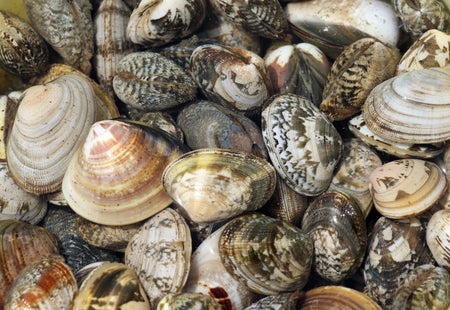
Neandertals Tooled Around with Clams
Neandertals ate clams and then modified the hard shells into tools for cutting and scraping.
Susanne Bard is a science writer and multimedia producer based on the West Coast. She has created content for Scientific American, Science magazine, and the American Association for the Advancement of Science, as well as for museums and zoos.
Neandertals Tooled Around with Clams
Neandertals ate clams and then modified the hard shells into tools for cutting and scraping.
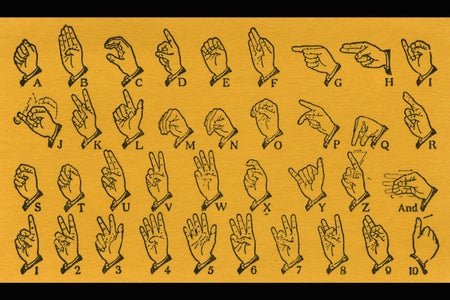
Sign Languages Display Distinct Ancestries
Well more than 100 distinct sign languages exist worldwide, with each having features that made it possible for researchers to create an evolutionary tree of their lineages.
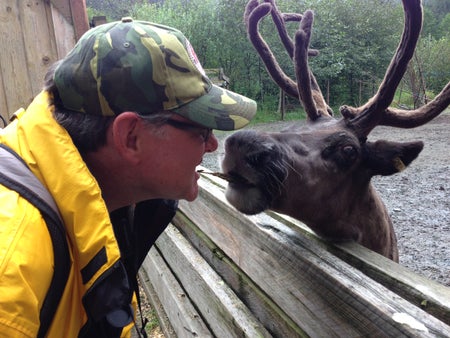
Superstrong Fibers Could Be Hairy Situation
Human hair tested stronger than thicker fibers from elephants, boars and giraffes, providing clues to materials scientists hoping to make superstrong synthetic fibers.
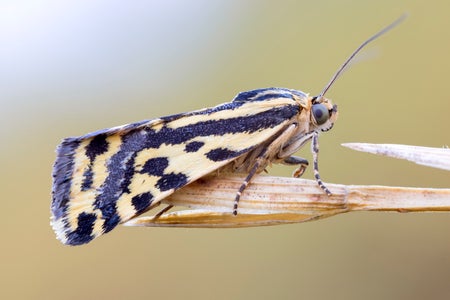
Moths Flee or Face Bats, Depending on Toxicity
Tiger moth species that contain bad-tasting and toxic compounds are nonchalant in the presence of bats, while edible moth species evade their predators.

Linguists Hear an Accent Begin
Residents of an overwintering station in Antarctica provided linguists with evidence of the first small changes in speech that may signal the development of a new accent.
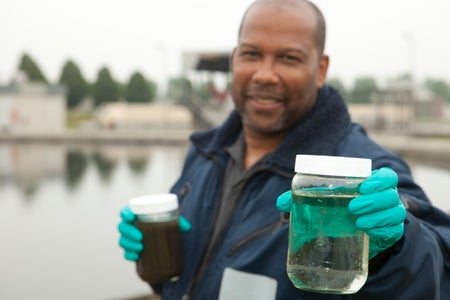
Ick Factor Is High Hurdle for Recycled Drinking Water
Recycled wastewater can be cleaner than bottled water, but people still avoid drinking it because of their disgust over its past condition.

Egyptian Vats 5,600 Years Old Were For Beer Brewing
Archaeologists working in the ancient city of Hierakonpolis discovered five ceramic vats containing residues consistent with brewing beer.
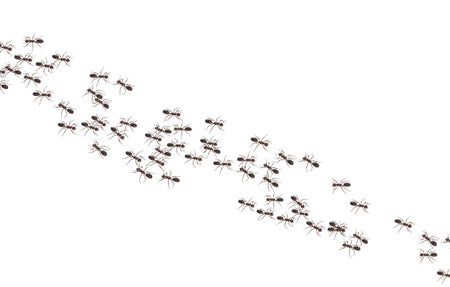
Ant Colonies Avoid Traffic Jams
Researchers tracked thousands of individual ants to determine how they move in vast numbers without stumbling into gridlock.

Ranking Rise May Intimidate Opponents
In an analysis of chess and tennis matches, players rising in the rankings did better than expected against higher-ranked opponents and better than similarly ranked players who were not rising.
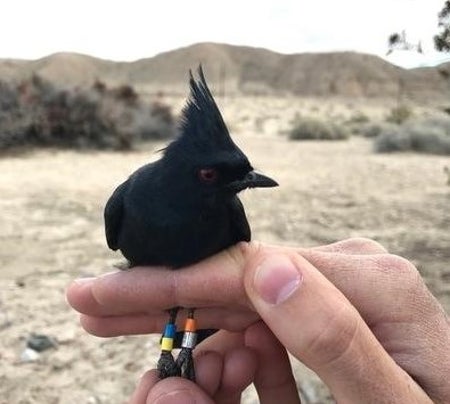
Odd Bird Migrates Twice to Breed
The phainopepla migrates from southern California to the desert Southwest to breed in the spring before flying to California coastal woodlands to do so again in summer.
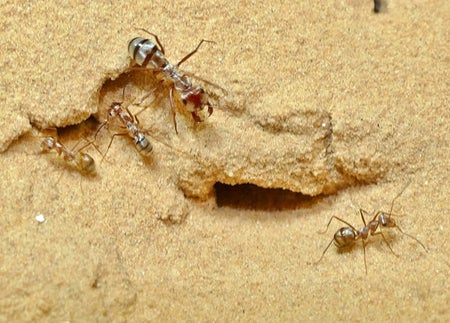
Galloping Ant Beats Saharan Heat
The Saharan silver ant feeds on other insects that have died on the hot sands, which it traverses at breakneck (for an ant) speeds.
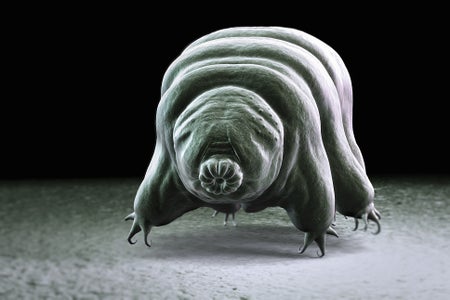
Tardigrade Protein Protects DNA from Chemical Attack
The Dsup protein protects DNA under conditions that create caustic free radical chemicals.
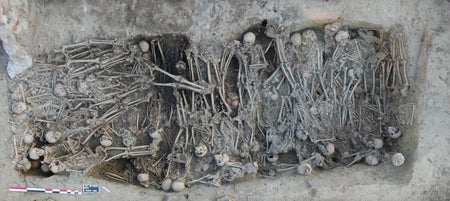
Teeth Tell Black Death Genetic Tale
DNA from the teeth of medieval plague victims indicates the pathogen likely first arrived in eastern Europe before spreading across the continent.

Brains of Blind People Adapt in Similar Fashion
The brains of those who are blind repurpose the vision regions for adaptive hearing, and they appear to do so in a consistent way.
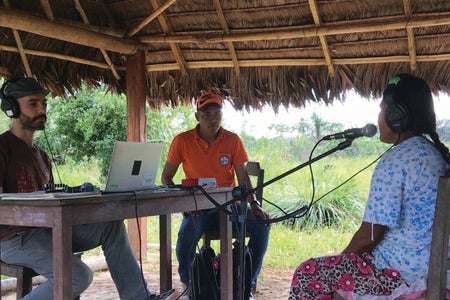
Musical Note Perception Can Depend on Culture
Western ears consider a pitch at double the frequency of a lower pitch to be the same note, an octave higher. The Tsimane’, an indigenous people in the Bolivian Amazon basin, do not.

Heat Loss to Night Sky Powers Off-Grid Lights
A slight temperature difference at night between a surface losing heat and the surrounding air can be harnessed to generate electricity to power lights.
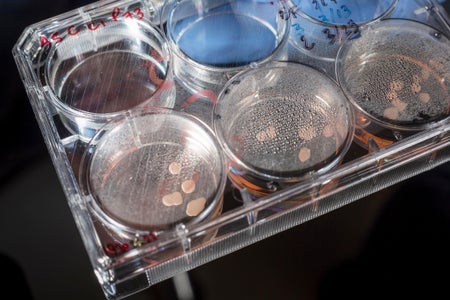
Lab-Grown Human Mini Brains Show Brainy Activity
As the little structures grow, their constituents specialize into different types of brain cells, begin to form connections and emit brain waves. They could be useful models for development and neurological conditions.
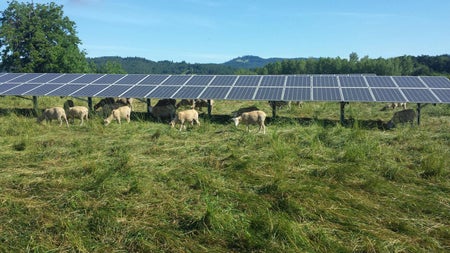
Farmland Is Also Optimal for Solar Power
The conditions of sunlight, temperature, humidity and wind that make cropland good for agriculture also maximize solar panel efficiency.
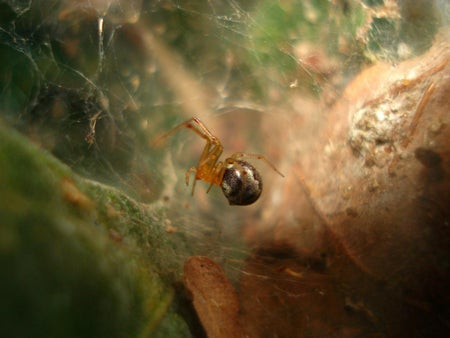
How Hurricanes Influence Spider Aggressiveness
As Hurricane Dorian approaches Florida, consider that feeding style means that aggressive tangle-web spider colonies produce more offspring after severe weather, while docile colonies do better in calm conditions.

Real Laughs Motivate More Guffaws
Honest, involuntary laughter cued people to laugh more at some really bad jokes than they did when hearing forced laughter.