
OpinionMarch 1, 2020
My Own Personal Extinction
At the end of her time at Scientific American, Riley Black reflects on the history of Laelaps
My Own Personal Extinction
At the end of her time at Scientific American, Riley Black reflects on the history of Laelaps
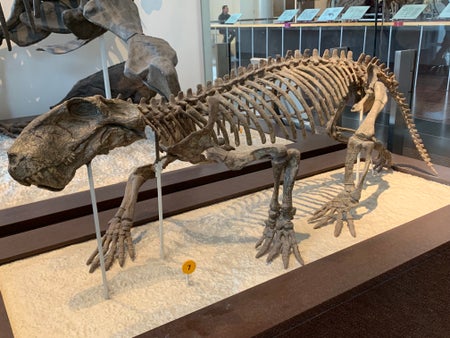
Saber-Toothed Protomammal was a Quick Healer
An injury on an ancient bone hints that a saber-toothed carnivore healed fast for its time

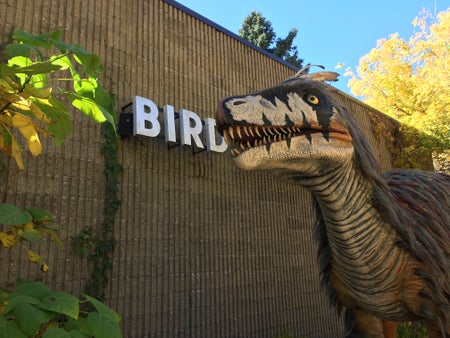
Some Dinosaurs Regurgitated Pellets Just like Birds
Small, feathery dinosaurs jettisoned indigestible food just like some modern birds do
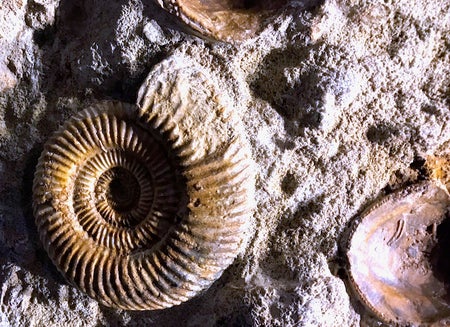
The Noninevitability of Life
In a vast game of chance and competition, things can get ugly
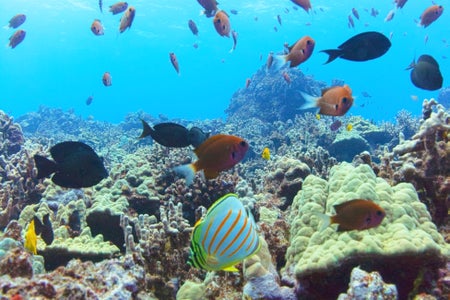
Ability to Take on Diverse Roles May Be Key to Which Animals Survive Mass Extinction
An analysis spanning geologic history found that species able to occupy different ecological niches have a survival edge
Barbarians Worshipped Meteorites in Pagan Temple
Originally published in September 1899

Kirk, Spock and Darwin
Duke University evolutionary biologist Mohamed A. F. Noor talks about his book Live Long and Evolve: What Star Trek Can Teach Us about Evolution, Genetics, and Life on Other Worlds.

Feral Dogs Respond to Human Hand Cues
Most feral dogs that did not run away from humans were able to respond to hand cues about the location of food—even without training.
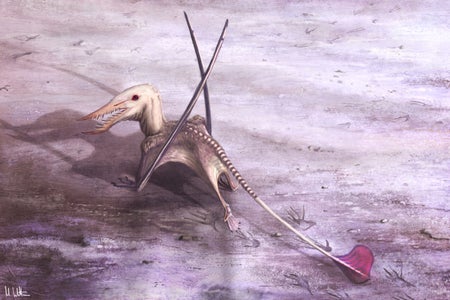
Footprint Find Could Be a “Holy Grail” of Pterosaur Research
How early pterosaurs walked on the ground has been a complete mystery. Now the first known trackways of their footprints offer answers
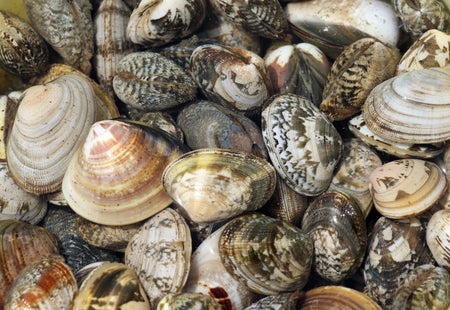
Neandertals Tooled Around with Clams
Neandertals ate clams and then modified the hard shells into tools for cutting and scraping.

Why Does Sugar Taste So Good?
Put down that jelly donut and learn the evolutionary science behind why sugar makes us salivate
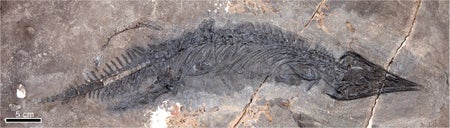
Sharp-Nosed Marine Reptile Is a Triassic Surprise
A fossil found in Alaska may help explain why a mysterious group of seagoing creatures went extinct