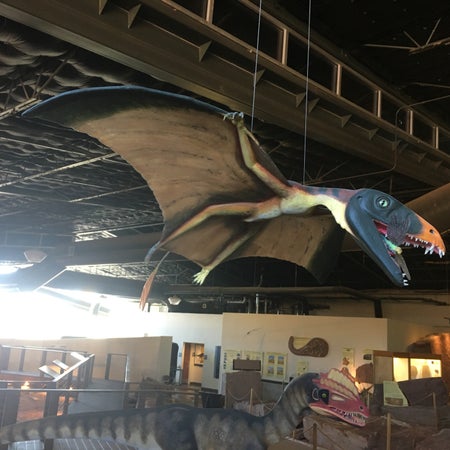
Squishy Cephalopod Was Almost a Pterosaur’s Lunch
The fossil of an ancient squid relative tells paleontologists something new about the reptile that tried to feed on it

Squishy Cephalopod Was Almost a Pterosaur’s Lunch
The fossil of an ancient squid relative tells paleontologists something new about the reptile that tried to feed on it

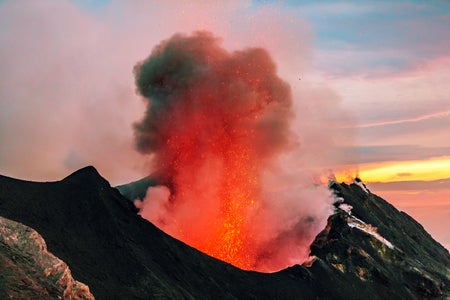
How to Make a Mass Extinction
Journalist and author Peter Brannen talks about his book The Ends of the World: Volcanic Apocalypses, Lethal Oceans, and Our Quest to Understand Earth’s Past Mass Extinctions.


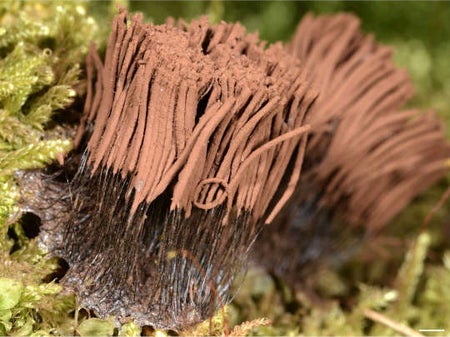
Slime Molds Have Been Oozing around Earth for at Least 100 Million Years
Stunning new fossil reveals that at least one Cretaceous slime mold—an “intelligent” giant amoeba—looks identical to one alive today

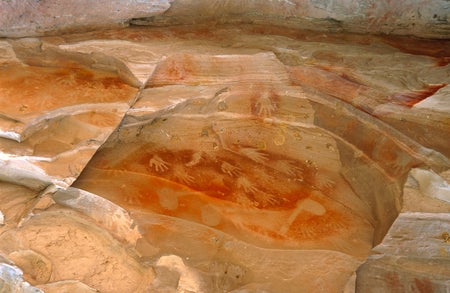
Thousands of Ancient Aboriginal Sites Probably Damaged in Australian Fires
The sites are rich in cultural history, but the blazes might also reveal some unknown ones, say archaeologists

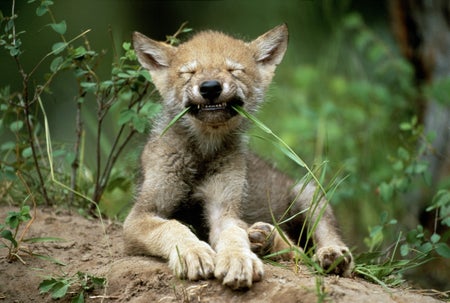
Some Wolf Pups Show Innate Fetching Talent
Some wolf pups will play fetch with a stranger, suggesting that an ability to playfully interact with people could have come before, and played a role in, dog domestication.

Curiosity Killed the ... Mouse?
The cat parasite Toxoplasma gondii boosts curiosity in mice—which makes them more likely to be caught by cats, thus continuing the parasite’s life cycle. Karen Hopkin reports.

Penguin Skin Offers Hints about Dinosaur Fluff
A fossil penguin wing found in Antarctica has broader implications for what dinosaurs looked like

Pop Culture’s Rate of Change May Mirror Organic Evolution
A new study finds that music and some other human phenomena have altered at a pace comparable to that of animals such as Darwin’s finches

This Fish Knows How to Stick Around
The remora clings to other fish—and appears to use an unusual sense of touch to do so. Christopher Intagliata reports.

Paleontologists Dig Into a Giant Sloth Boneyard
Ancient drought and unfortunate bathroom habits may have doomed some ice age sloths

Bacteria Helped Plants Evolve to Live on Land
Soil bacteria may have taken residence in early algal species, gifting the algae with the ability to withstand drier conditions on land. Annie Sneed reports.

Loss of Large Mammals Stamps Out Invertebrates, Too
Hunted areas of Gabon have fewer large mammals and a thicker forest understory—but they also have fewer termites. Jason G. Goldman reports.