EcologyMarch 17, 2026
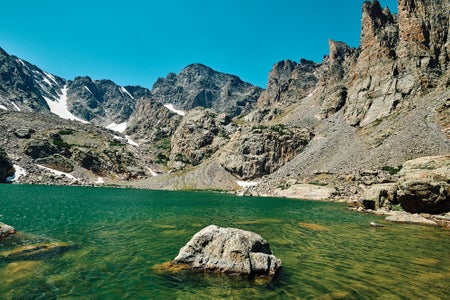
Why pristine mountain lakes are suddenly turning green
High in the Rockies, researchers are discovering that wind-borne pollution and rising heat are fueling unprecedented algal blooms

Illustration by Chad Hagen
You are currently logged out. Please sign in to download the issue PDF.
Why pristine mountain lakes are suddenly turning green
High in the Rockies, researchers are discovering that wind-borne pollution and rising heat are fueling unprecedented algal blooms

The kids are all right
Surprising studies show young people are doing better than previous generations in many ways

Galaxies without dark matter mystify astronomers
Bizarre objects that seem to lack all dark matter present a cosmic mystery

How the corpse flower came to be so weird
Evolutionary studies make sense of the world’s strangest plant
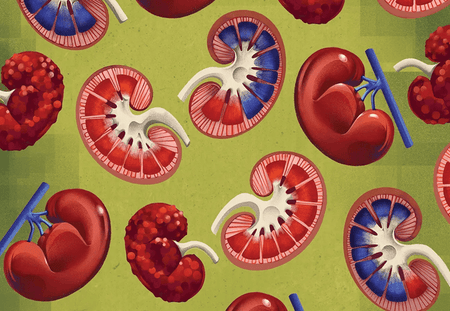
New ways to save kidneys
A series of novel treatments and medical insights is helping chronic kidney disease patients
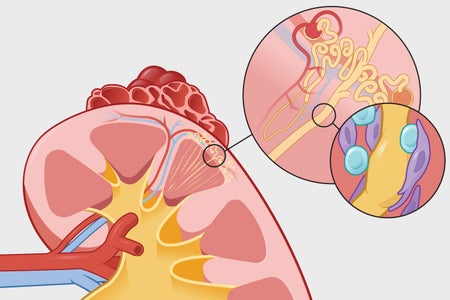
The number of kidney patients is going up
Chronic kidney disease has a variety of causes, ranging from immune system problems to medication side effects

From dialysis to distress, newly diagnosed kidney patients must cope with a lot
Kidney damage can sneak up on people without symptoms. A new diagnosis can mean major limits on how a person lives

After years of discouragement, more kidney patients are having healthy babies
Care innovations have allowed many more people with kidney disease to become parents. But pregnancy still carries risks
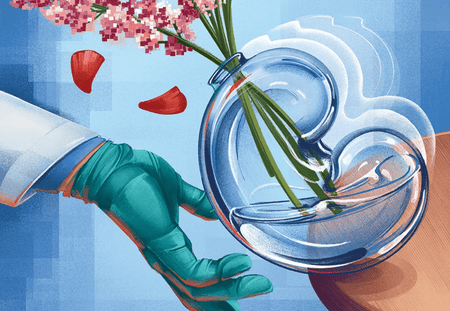
New ways to spot and stop the stealthy advance of kidney illnesses
New alert systems and tests detect drug-induced kidney damage before the harm is irreversible
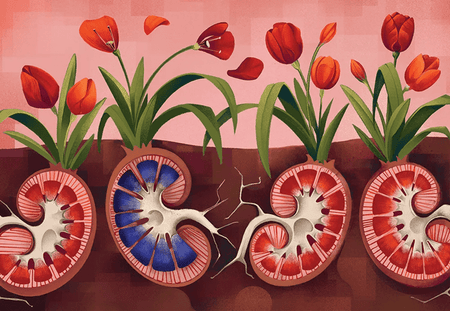
A hidden kidney threat—and new treatments that make detecting it critical
IgA nephropathy, an immune assault on the kidneys, is often missed. New treatments mean that spotting it sooner might save lives
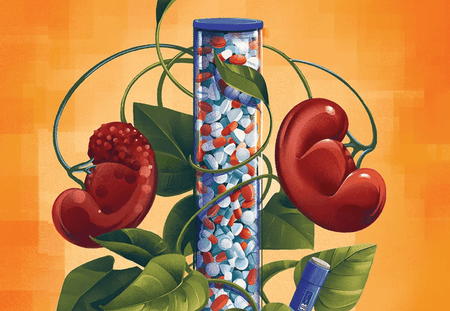
Ozempic and other new diabetes drugs revolutionize kidney treatment
Three types of diabetes medication are improving the outlook for patients with kidney disease