ChemistryApril 30, 2020
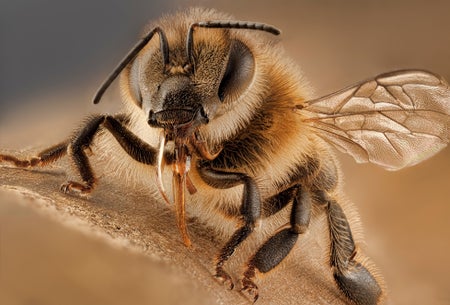
Virus-Infected Bees Practice Social Distancing
Bees infected with a virus cut back on interactions within their hive but find it easier to get past sentries at neighboring hives.
Karen Hopkin is a freelance science writer in Somerville, Mass. She holds a doctorate in biochemistry and is a contributor to Scientific American's 60-Second Science podcasts.
Virus-Infected Bees Practice Social Distancing
Bees infected with a virus cut back on interactions within their hive but find it easier to get past sentries at neighboring hives.
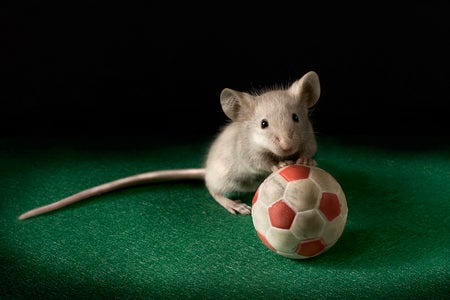
Fight-or-Flight Nerves Make Mice Go Gray
A new study in mice concludes stress can cause gray hair—and credits overactive nerves with the change in hue. Karen Hopkin reports.

Espresso May Be Better when Ground Coarser
A very fine grind can actually hamper espresso brewing, because particles may clump more than larger particles will.
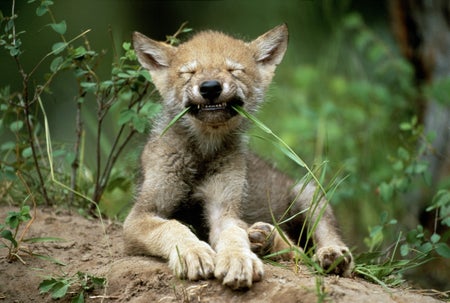
Some Wolf Pups Show Innate Fetching Talent
Some wolf pups will play fetch with a stranger, suggesting that an ability to playfully interact with people could have come before, and played a role in, dog domestication.
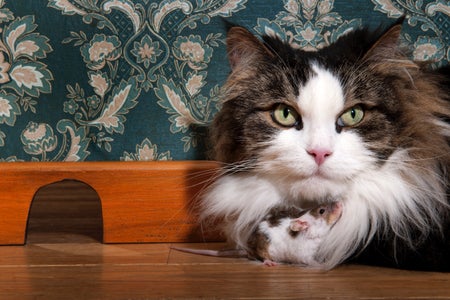
Curiosity Killed the ... Mouse?
The cat parasite Toxoplasma gondii boosts curiosity in mice—which makes them more likely to be caught by cats, thus continuing the parasite’s life cycle. Karen Hopkin reports.
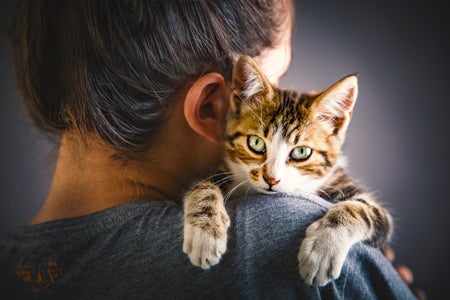
Famously Fickle Felines Are, in Fact, Clingy
Cats are clingier to their human owners than their reputation would suggest. Karen Hopkin reports.
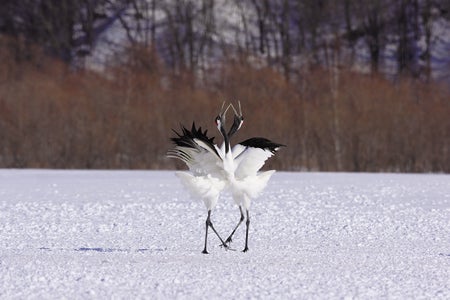
Monogamy May Be Written in Our Genes
In animal studies, a set of 42 genes involved in neural development, learning and memory, and cognition seems to be associated with monogamy

Certain Personality Types Are Likely to Make a “Foodie Call”
Some people go on dates just to score a free meal—a phenomenon known as a “foodie call.” But it takes a certain personality type. Karen Hopkin reports.
Male Bats Up Mating Odds With Mouth Morsels
Males that allow females to take food right out of their mouths are more likely to sire offspring with their dining companions.

Elite Runners’ Microbes Make Mice Mightier
Mice that were fed bacteria isolated from elite athletes logged more treadmill time than other mice that got bacteria found in yogurt.
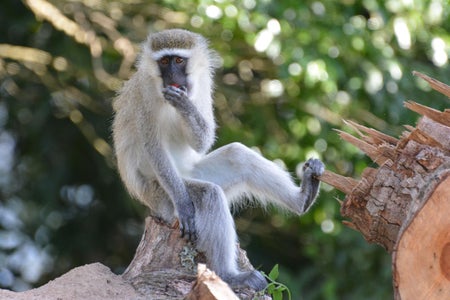
Monkey Cousins Use Similar Calls
Two monkey species who last shared a common ancestor 3 million years ago have "eerily similar" alarm calls.
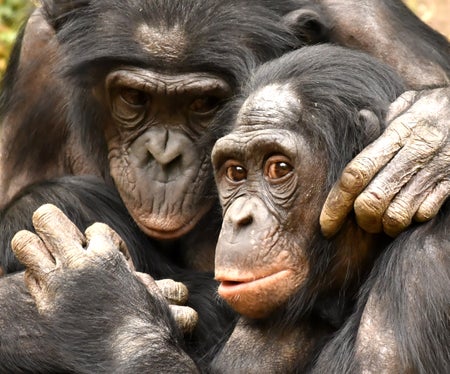
Bonobo Mothers Supervise Their Sons’ Monkey Business
Some wild female bonobos introduce their sons to desirable females—then make sure their relations won’t be interrupted by competing males. Karen Hopkin reports.

Unread Books at Home Still Spark Literacy Habits
Growing up in a home filled with books enhances enhances intellectual capacity in later life, even if you don't read them all.
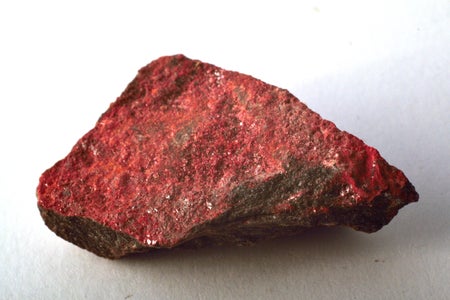
Chemists Investigate Casanova’s Clap
In his memoirs, the womanizing writer Giacomo Casanova described suffering several bouts of gonorrhea—but researchers found no trace of the microbe on his handwritten journals. Karen Hopkin reports.

Weekday–Weekend Sleep Imbalance Bad for Blood Sugar Regulation
Weekday sleep deprivation with weekend make-up sleeping seems to be worse for blood sugar control than even chronic sleep deprivation alone.

Grandma's Influence Is Good for Grandkids
Grandmothers can enhance the survival of grandchildren. That is, unless grandma’s too old or lives too far away. Karen Hopkin reports.
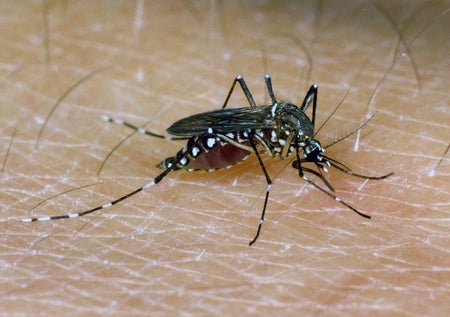
Human Diet Drugs Kill Mosquitoes' Appetite, Too
When researchers fed mosquitoes a drug used to treat people for obesity, the insects were less interested in hunting for their next human meal ticket. Karen Hopkin reports.
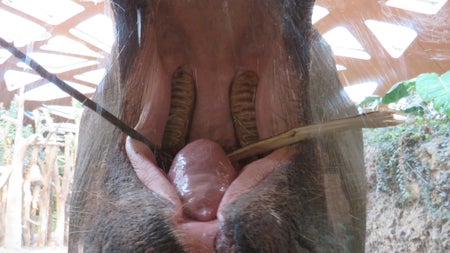
Elephant Weight Cycles with New Teeth
Elephants have six sets of teeth over their lives, sometimes two sets at once. At those times, they can extract more nutrition from food and put on weight.

Rocking Helps Adults Sleep Too
Adult humans, as well as mice, slept better when gently rocked.
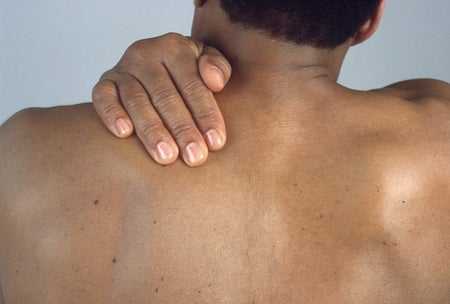
Targeting Certain Brain Cells Can Switch Off Pain
By turning off certain brain cells, researchers were able to make mice sense painful stimuli—but not the associated discomfort. Karen Hopkin reports.
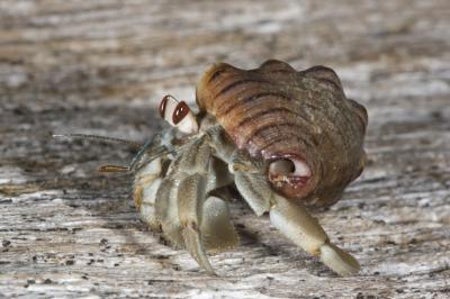
Intimate Hermit Crab Keeps Shell On
A species of hermit crab appears to have evolved a large penis to enable intercourse without leaving, and thus possibly losing, its adopted shell.
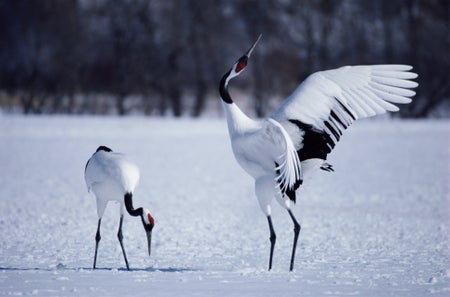
Monogamy May Be Written in Our Genes
In animal studies, a set of 24 genes involved in neural development, learning and memory, and cognition, seem to be associated with monogamy. Karen Hopkin reports.
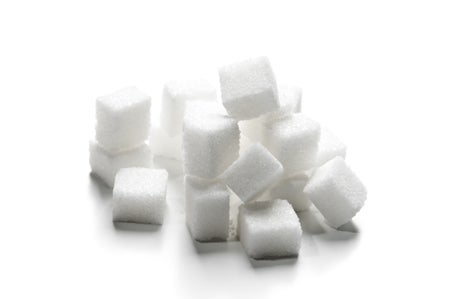
Simple Sugars Wipe Out Beneficial Gut Bugs
Fructose and sucrose can make it all the way to the colon, where they spell a sugary death sentence for beneficial bacteria. Karen Hopkin reports.
“Hunger Hormone” Ghrelin Aids Overindulgence
Ghrelin, the hormone that makes you hungry, also makes food, and food smells, irresistibly appealing. Karen Hopkin reports.