CognitionDecember 24, 2018
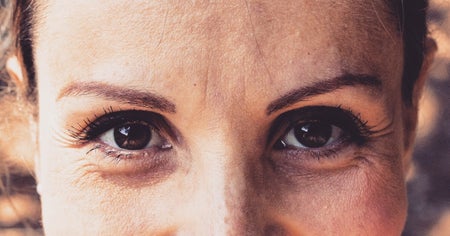
Measuring the Strength of a Person's Gaze
A new study suggests that, unconsciously, we actually do believe that looking exerts a slight force on the things being looked at. Karen Hopkin reports.
Karen Hopkin is a freelance science writer in Somerville, Mass. She holds a doctorate in biochemistry and is a contributor to Scientific American's 60-Second Science podcasts.
Measuring the Strength of a Person's Gaze
A new study suggests that, unconsciously, we actually do believe that looking exerts a slight force on the things being looked at. Karen Hopkin reports.
Bone Building Needs Bit of Breakdown First
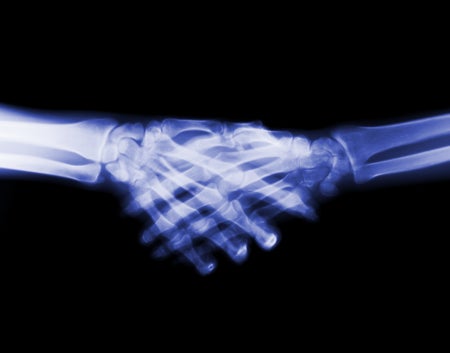
The hormone irisin encourages bone remodeling, in part by first triggering another substance that encourages some bone breakdown.
You Gotta Scratch That Itch
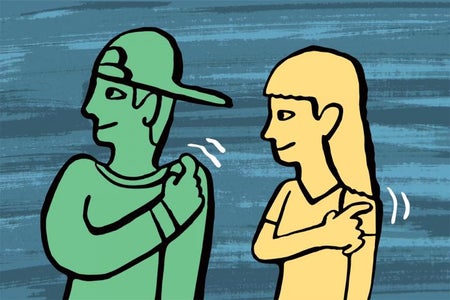
A particular set of brain neurons may be behind registering itch and inducing us to scratch.
Survey the Wildlife of the "Great Indoors"
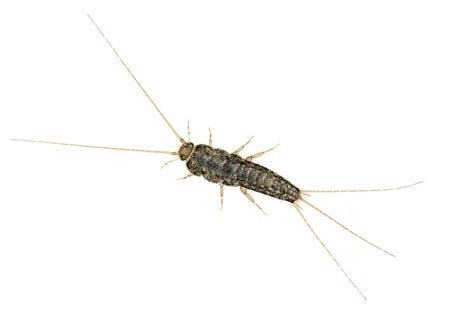
Biologists are enlisting citizen scientists to poke around under the sink and behind the curtains, for wildlife living in the "great indoors." Karen Hopkin reports.
Pasta Problem Cracked!
An intrepid undergrad led the way to understanding the physics of snapping strands of spaghetti.
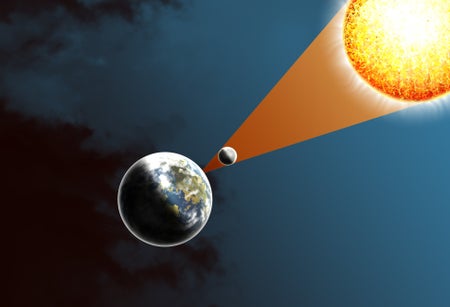
Solar Eclipse of 2017 Boosted Science Interest
The Michigan Scientific Literacy Survey of 2017 found that last year's total solar eclipse got Americans more interested in celestial science.
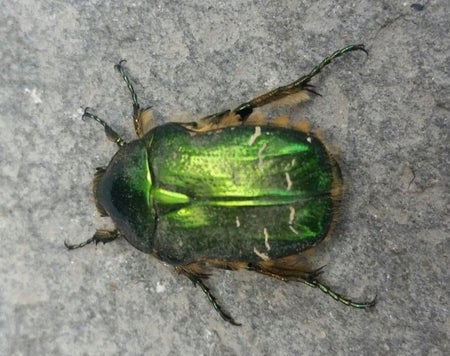
Iridescence Could Help Critters Hide in Plain Sight
Iridescence appears to break up the recognizable shape of objects—making them harder to spot. Karen Hopkin reports.
Fat–Carb Combo Is a Potent One–Two Punch
Foods high in both carbs and fats tickle the brain’s reward circuits more so than snacks that showcase just one or the other. Karen Hopkin reports.
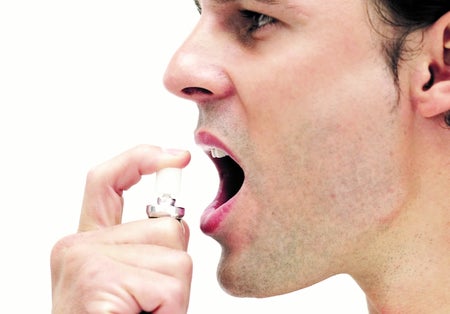
A Litmus Test for Bad Breath
Researchers engineered a portable device that detects even the tiniest trace of hydrogen sulfide—one of the primary offenders in bad breath. Karen Hopkin reports.
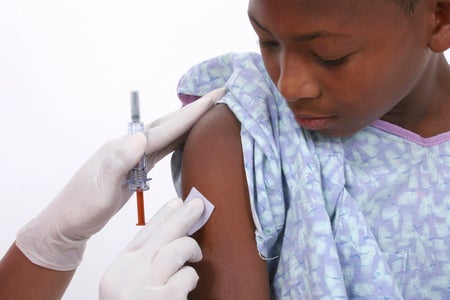
Saying "This May Hurt" May Make It Worse
Warning a child that something, like a vaccine shot, will hurt can actually increase their perception of the pain.

Neandertal Face Shape Was All Over the Air
The jutting midface of Neandertals seems to have evolved to help get large volumes of air into an active body that needed lots of oxygen.

U.S. Flu Spread Counts On Southern Cold Snaps
A multifactorial analysis finds that the ignition of a flu epidemic stems from a blast of colder weather striking an otherwise warm, humid, urban environment, and driving people indoors into close quarters.
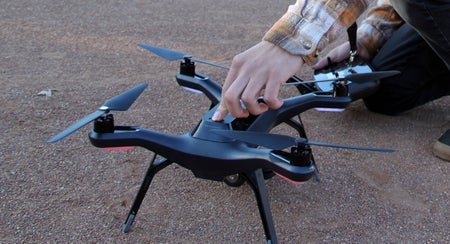
Drones Could Help Biologists Tally Birds
Counting by drone not only saves time and effort, but yields better data on species numbers—a definite plus in terms of conservation. Karen Hopkin reports.

Animal Coloration Can Serve Double Duty
The cinnabar moth caterpillar's coloration pattern warns predators close up, but camouflages the critter from a distance.

Some Lichen Fungi Let Genes Go Bye
A study of 22 different types of lichens revealed 10 included fungi that had lost a gene for energy production, making them completely dependent on their algal partner.
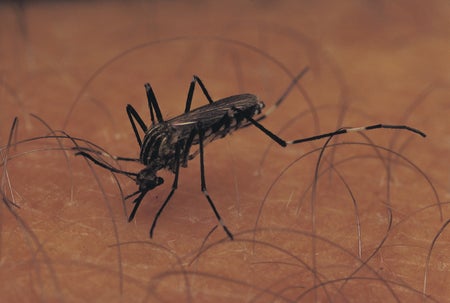
Mosquitoes Learn the Smell of Danger
The bloodsuckers lose their appetite for attractive scents when they associate those aromas with a likelihood of being swatted. Karen Hopkin reports.
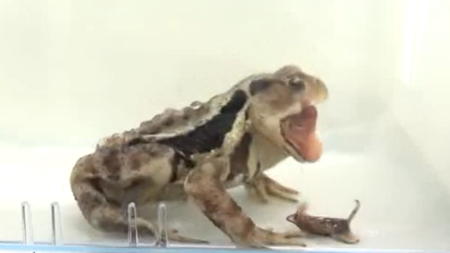
Beetle Liberation Due to Regurgitation
The bombardier beetle can spray its hot brew of toxic chemicals even after bring swallowed, to force a predator into vomiting it back out.

Homebodies Economize on Energy Use
Today’s work-from-home, on-demand culture means more days at home—and translates into greater energy savings, too. Karen Hopkin reports.

Holiday Cheer Leads to Birth-Rate Spike
During feel-good holiday periods like Christmas and Eid-al-Fitr, romance strikes—leading to a boom in births nine months later. Karen Hopkin reports.
Social Media Helps ID Spew Source
Surveillance of Yelp restaurant reviews for terms like vomit led researchers to the sources of foodborne illness outbreaks. Karen Hopkin reports.
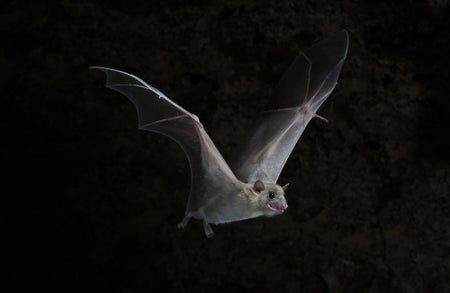
Baby Bats Can Learn Different Dialects
Fruit bats raised hearing different pitches of sounds vocalized in keeping with their aural environment as they matured.
Pain and Weather Fail to Connect
A big data analysis involving more than 1.5 million patients could find no relationship between weather and complaints to doctors about joint or back pain.

Repetitive Sounds Are Music to the Brain
Repeating something can render that thing melodious—even the sound of a shovel being dragged across the pavement. Karen Hopkin reports.
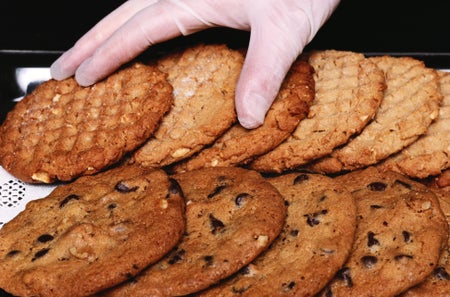
Supermarket Snacking Boosts Sales
Noshing while shopping convinces consumers to buy the featured product more often than does simply seeing end-of-aisle displays. Karen Hopkin reports.