
FitnessDecember 10, 2017
Ancient Women Had Awesome Arms
For thousands of years, women in agricultural societies seem to have had arms stronger than members of modern rowing teams.
Karen Hopkin is a freelance science writer in Somerville, Mass. She holds a doctorate in biochemistry and is a contributor to Scientific American's 60-Second Science podcasts.
Ancient Women Had Awesome Arms
For thousands of years, women in agricultural societies seem to have had arms stronger than members of modern rowing teams.
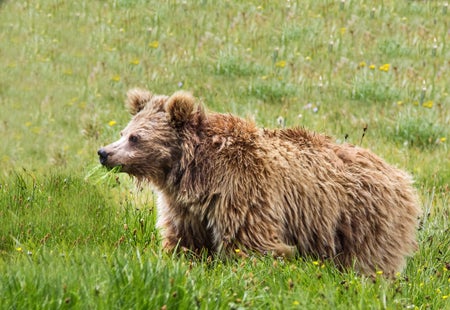
Yeti Claims Don't Bear Up
Analysis of alleged yeti samples found them to be from less fantastic beasts, such as bears, but also shed light on the evolution of those local bear populations.
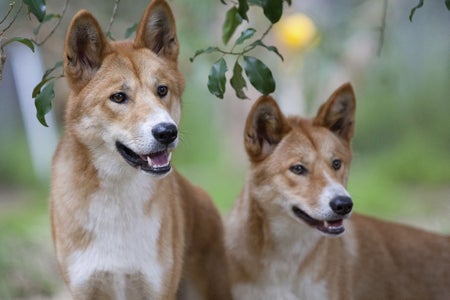
Dogs Bow to Wolves as Cooperators
Wolves appear to have better cooperation skills than dogs—unless the pups partner up with humans. Karen Hopkin reports.
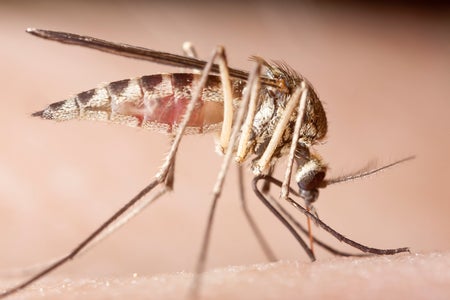
Mosquitoes to Other Flying Insects: Do You Even Generate Lift?
Mosquitos stealthily float off us after filling up, by virtue of fast wingbeats that generate almost instant lift with only an imperceptible additional push from the legs.
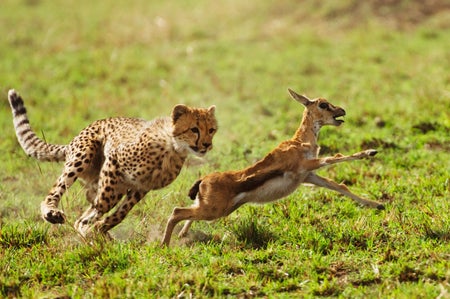
Screams Heard Round the Animal World
Humans appear well equipped to recognize the alarm calls of other animals—perhaps because sounds of distress tend to have higher frequencies. Karen Hopkin reports.

To Buy Happiness, Spend Money on Saving Time
Volunteers who used money to save themselves time were more content than volunteers who purchased themselves physical stuff. Karen Hopkin reports.

Better Memory Begets Boredom
The better study participants scored in the memory test, the faster they got bored. Karen Hopkin reports.
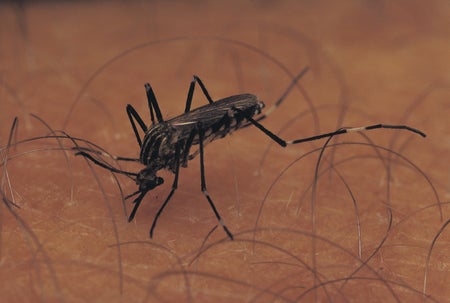
Bacterially Boosted Mosquitoes Could Vex Viruses
Mosquitoes infected with Wolbachia bacteria are unable to transmit viruses to humans—and could curb the spread of viral disease. Karen Hopkin reports.
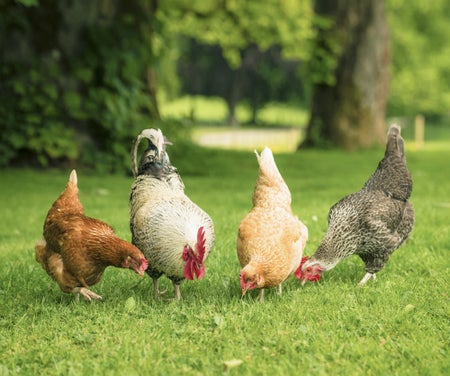
Why the Cross Put Chickens on a New Road
A religiously inspired change in the European diet about a thousand years ago led to the development of the modern domesticated chicken.
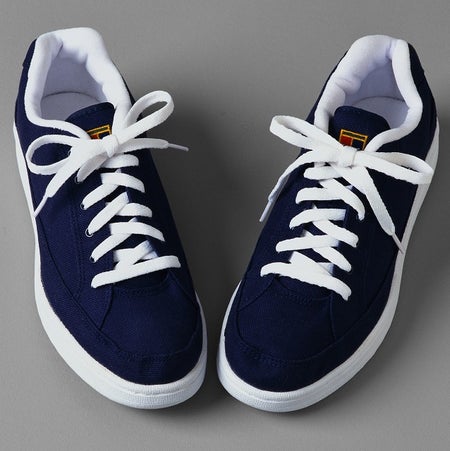
Shoelace Study Untangles a Knotty Problem
Researchers have trotted out data that show a combination of whipping and stomping forces is what causes laces to unravel without warning. Karen Hopkin reports.
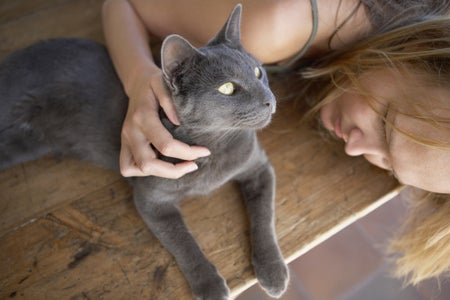
Your Cat Thinks You're Cool
A study of house cats and shelter cats found that the felines actually tended to choose human company over treats or toys.
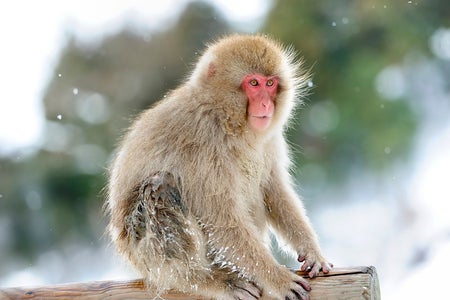
Aggressed-Upon Monkeys Take Revenge on Aggressor's Cronies
Japanese macaques at the receiving end of aggression tend to then take it out on a close associate or family member of the original aggressor.

Spaceflight Squishes Spacefarers' Brains
Astronauts’ gray matter is compressed by time in space—except in an area that controls feeling and movement in the legs. Karen Hopkin reports.

Super Bowl Snacks Need These Exercise Equivalents
Charles Platkin, director of the New York City Food Policy Center at Hunter College, published tips on what it would take to burn off the calories we typically consume during the Super Bowl

Ants Use Celestial Cues to Travel in Reverse
The six-legged savants appear to use celestial cues and three forms of memory, as they blaze a trail back to the nest. Karen Hopkin reports.
High-Sugar Diet Makes Flies Drop Like...Flies
A study examines the effects of a high-sugar diet on the life spans of fruit flies. Another studies how the flies’ appetite-suppressing pathways may be similar to ours. Karen Hopkin reports.
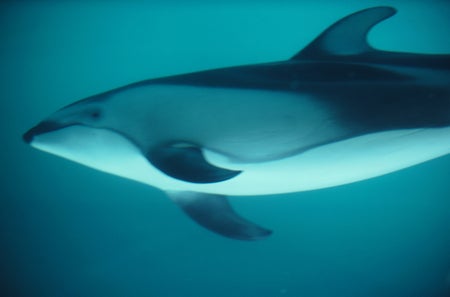
Adult Daughter Orcas May Trigger Moms' Menopause
Competition between older female orcas and their adult daughters when they can breed simultaneously may cause the matriarch to enter menopause.
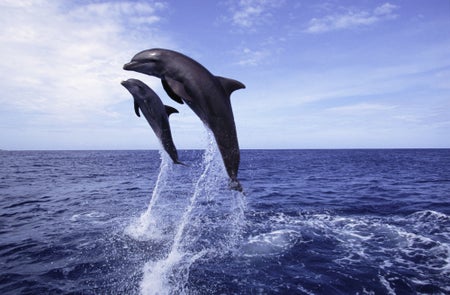
Mucus Lets Dolphins Emit Their Clicks
A model of the dolphin vocal apparatus shows that they need a coating of mucus to produce their distinctive sounds.
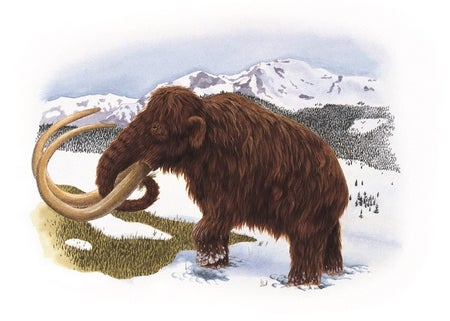
Menu Featured Mammoth but Diners Were Mocked
A genetic analysis of leftovers from an exotic dinner in 1951 reveals that the diners got less than they were promised.
Highway Sounds Might Mask Life-Saving Birdcalls
The call of the tufted titmouse conveys important information about the presence of potential predators. But only if other birds can hear it. Karen Hopkin reports.
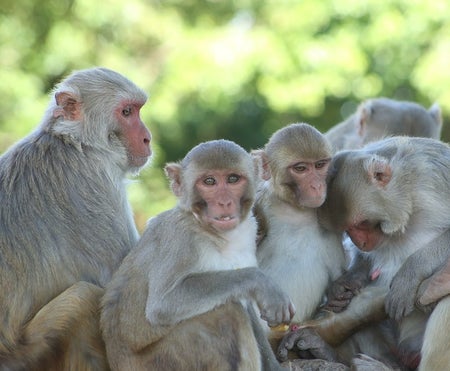
Made Ya Look, Monkey
Over their lifetimes, macaques follow the same trajectory as humans in the amount of interest they have in observing what another individual is looking at.

Lizard Stripes May Mess Up Predators' Timing
A lizard's stripes may make them look like they’re moving slower than they really are, confusing predators that tend to aim at the head but may wind up with the tail.

Fat Gets Gut Bacteria Working against the Waistline
In mice, intestinal microbes respond to a high-fat diet by producing acetate, which triggers the release of a hormone that makes mammals feel hungry, causing them to eat even more.
Shy Fish Prefer to Follow Other Shy Fish
Shy sticklebacks were more likely to emerge from under cover when an equally wary fellow was already out there, rather than when a bold individual was present.