EnergyOctober 31, 2016
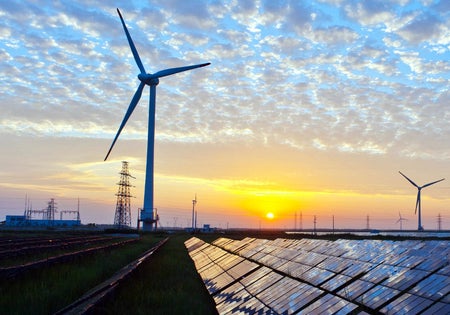
2015 Was a Record Year for Renewables
The U.S. surpassed the European Union in renewable electricity capacity growth for the first time, according to a new report from the International Energy Agency
Melissa C. Lott is an engineer and researcher who works at the intersection of energy and public health.
2015 Was a Record Year for Renewables
The U.S. surpassed the European Union in renewable electricity capacity growth for the first time, according to a new report from the International Energy Agency
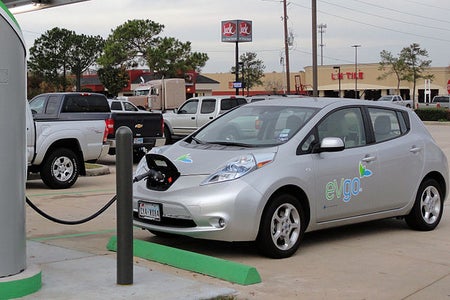
Report: Electric Cars Could Make Us Healthier and Save the U.S. Billions of Dollars
Electric cars could save the U.S. billions of dollars, according to a new report by the American Lung Association in California.
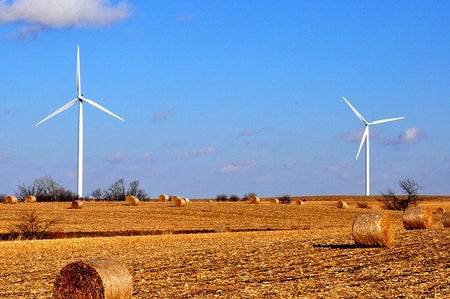
11 States Now Get More Than 10 Percent of Their Electricity from Wind
Eleven states now use wind to meet more than 10 percent of their electricity needs. Two more—Texas and New Mexico—are on track to exceed this benchmark in 2016
All Together Now! U.S. Department of Energy Sums Up Why We Should Be Optimistic About Clean Energy
Yesterday, the U.S. Department of Energy Released “6 Charts that Will Make You Optimistic About America’s Clean Energy Future” that track cost declines and rising use of some key technologies.
Report: Solar PV Costs Continue to Fall in 2016
According to a new report from the National Renewable Energy Laboratory, solar costs continued to drop in 2016.
Solar Software Company kWh Analytics Raises $5 million
This month, San Francisco-based solar software company kWh Analytics announced that it had raised $5 million in Series A venture capital to support the scaling of the company’s solar data platform as well as its new “PowerLock” (an A-rated insurance-backed production guarantee).

Driverless, Electric Shuttles Now Operating in Lyon, France
The City of Lyon in eastern France has brought a driverless, electric shuttle service to its streets
Study: Why You Should Consider Water and Energy When Buying Appliances
A new study from the University of Illinois helps us to understand which appliances will make the most difference in water and energy use in the home
D.C. Sets Renewables Target of 50% by 2032
This summer, the District of Columbia increased and extended its renewable portfolio standard target to 50% by 2032 and doubles the role of solar.

Want to Boil Water? Step 1 – Grab Some Bubble Wrap
MIT engineers have invented a bubble-wrapped, sponge-like device that uses sunlight to boil water, even on relatively cool, overcast days.
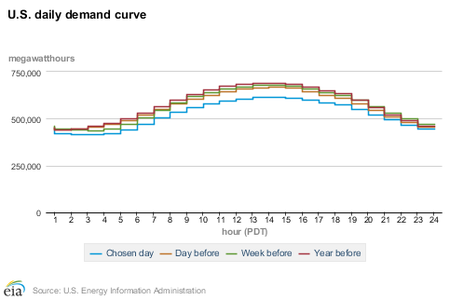
For Data Lovers--Hourly Grid Operating Information Is Now Available from the EIA
The U.S. Energy Information Administration is now providing hourly electricity operating data online in near–real time
New Lithium–Oxygen Battery Is Scalable, Cheap and Quite Promising
Researchers have developed a new variation of lithium–oxygen battery chemistry that could overcome previous shortcomings for this promising storage technology

Uber is Working to Get More People into Fewer Cars
In his TED2016 talk, Uber co-founder Travis Kalanick talks about how we could use today’s technology to reduce congestion and pollution in our cities through carpooling.
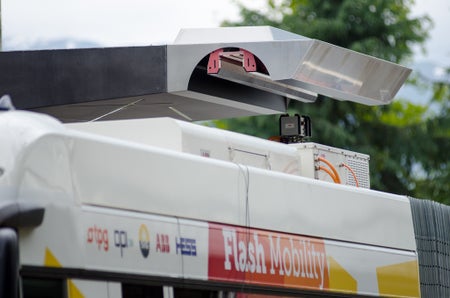
Swiss Electric Buses Will Charge in a Flash
Why “fast charge” when you can “flash charge”? In Geneva, an innovative charging system will soon allow electric buses on Line 23 to charge their batteries en route

"Plugged In" Turns 5 Years Old!
It’s been five years—and almost 800 articles—since Plugged In joined the Scientific American blogging family

Video: How Does Air Pollution Affect Health?
Harvard University's Douglas Dockert discusses the impacts of air pollution on human health and the environment

The Panama Canal Can Now Accommodate 90 Percent of the World's LNG Tankers
The expansion of the Panama Canal will reduce travel time and transportation costs for LNG tankers coming from the U.S. Gulf Coast to key markets in Asia
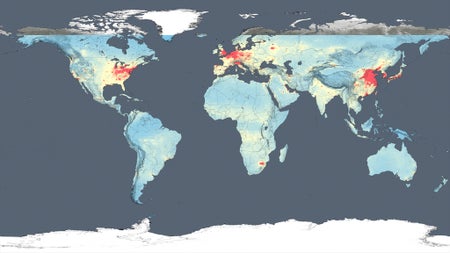
Air Pollution from Energy is a Global Challenge
Air pollution is an energy problem - and a challenge around the globe. Check out this video to see air pollution trends in cities around the globe over the past decade.

A Small Rise in Clean Energy Investments Could Save Millions of Lives
A small (7%) increase in total energy sector investment through 2040 could save millions of lives each year through air pollution reductions, according to a report released on Monday by the International Energy Agency.

Coal at a 150-year low in the United Kingdom
In 2015, coal use hit a 150-year low in the United Kingdom and led to a 4% drop in carbon emissions according to government energy statistics.
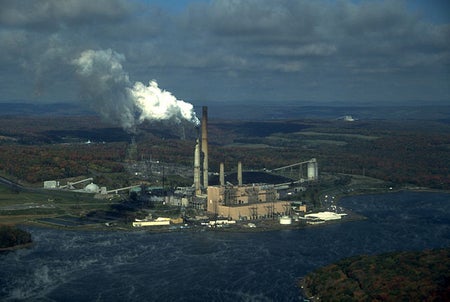
Want More Efficient Power Plants? Try Wastewater, Say Illinois Researchers
It could be more efficient to use reclaimed water instead of water from a local river for cooling power plants in the Chicago area, according to new research from the University of Illinois

New Study Finds That Roof Racks Are a Real Drag on U.S. Fuel Consumption
In 2015 roof racks were responsible for 100 million gallons of gasoline consumption across the U.S., according to a new study
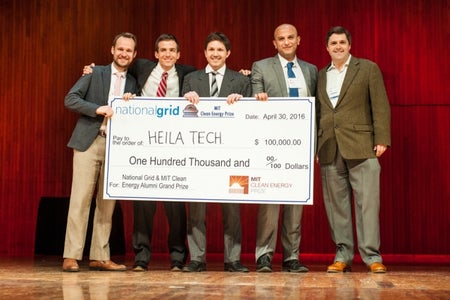
M.I.T. Prize Winners Help Microgrids Speak a Common Language
The “Heila IQ” distributed controller integrates the languages of all microgrid systems into a single platform—and won the $100,000 grand prize at this month's M.I.T. Clean Energy Prize competition

Visualizing U.S. Energy Flows--2015 Edition
This diagram shows how energy flows in the U.S. from supply to demand