
EngineeringOctober 13, 2021
What Is 5G? Here Is a Short Video Primer
You see it mentioned in countless phone commercials, and your phone might use it. But do you know how it works?
Andrea Gawrylewski is chief newsletter editor at Scientific American. She writes the daily Today in Science newsletter and oversees all other newsletters at the magazine. In addition, she manages all special editions and in the past was the editor for Scientific American Mind, Scientific American Space & Physics and Scientific American Health & Medicine. Gawrylewski got her start in journalism at the Scientist magazine, where she was a features writer and editor for "hot" research papers in the life sciences. She spent more than six years in educational publishing, editing books for higher education in biology, environmental science and nutrition. She holds a master's degree in earth science and a master's degree in journalism, both from Columbia University, home of the Pulitzer Prize.
What Is 5G? Here Is a Short Video Primer
You see it mentioned in countless phone commercials, and your phone might use it. But do you know how it works?
What Is Machine Learning, and How Does It Work? Here’s a Short Video Primer
Deep learning, neural networks, imitation games—what does any of this have to do with teaching computers to “learn”?
The Power of the Headline

The Blueprints of Health

The Story of Us

On Kindness and Grief
The Human Framework for Alien Life

The Case for Antiracism
Aging’s True Tactics
New research pins the maximum length of human life
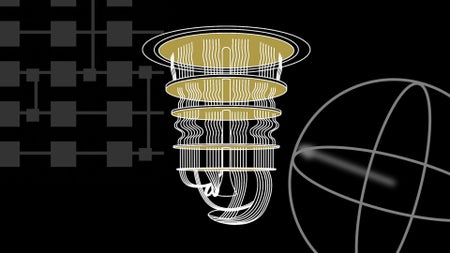
How Does a Quantum Computer Work?
If you understand how these systems operate, then you understand why they could change everything.

The Quiet after the Storm
After a year of living cautiously and more isolated, here’s how to resume public routines

What Is CRISPR, and Why Is It So Important?
This revolutionary gene-editing system has taken science by storm.
Decoded: What Are Neurons?
You have 86 billion of them inside you, but do you understand how hard it was for us to learn that?

Decoded: What Are Black Holes?
The mysteries packed inside these invisible space objects stretch our concepts of space and time.
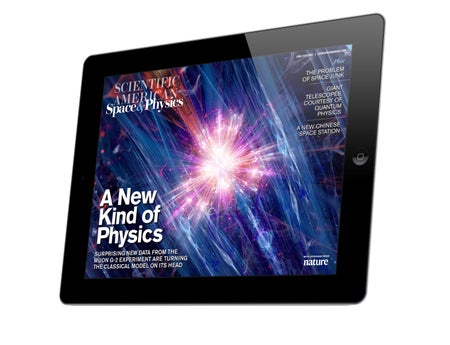
The Subatomic Keys to the Universe
Surprising new data from the Muon g-2 experiment are turning the classical model on its head
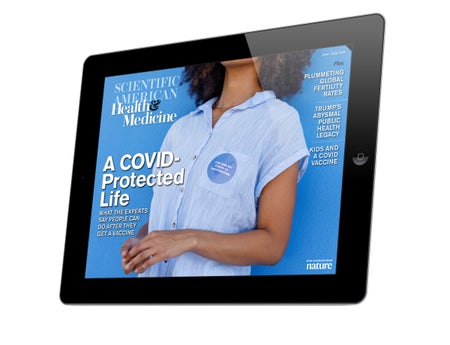
One Hurdle at a Time
What the experts say people can do after they get a vaccine
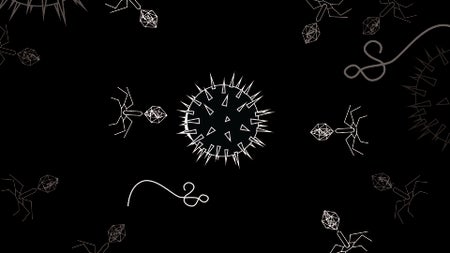
Decoded: What Is a Virus, Exactly?
These sometimes deadly packets of genetic information are more numerous in number than the stars in the cosmos.

The Pursuit of Resilience
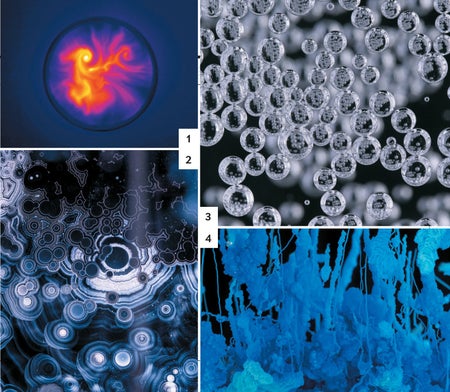
Stunning Images from Chemistry, the Inscrutable Quantum Reality, and Other New Science Books
Recommendations from the editors of Scientific American

A Digital Obsession
How to feel less stressed and more empowered and to create a life of meaning—without your phone
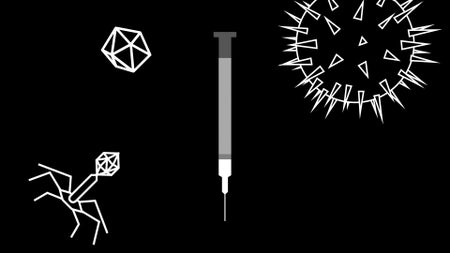
Decoded: How Do Vaccines Actually Work?
Vaccines are medicines that train the body to defend itself against future disease, and they have been saving human lives for hundreds of years.

Sweeping Whale Streaming Series, Profile of CRISPR Discoverer and an Examination of Future Realities
Recommendations from the editors of Scientific American
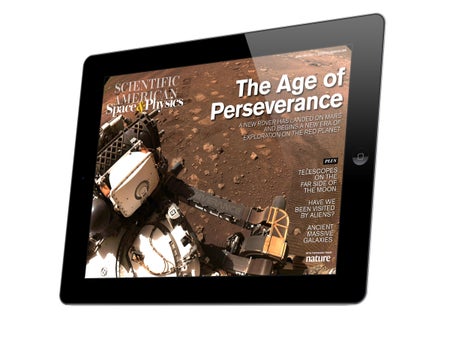
Onward, Intrepid Rover

The COVID-19 Postscript
A surprising number of COVID-recovered patients deal with an array of troublesome symptoms, well after the disease is gone