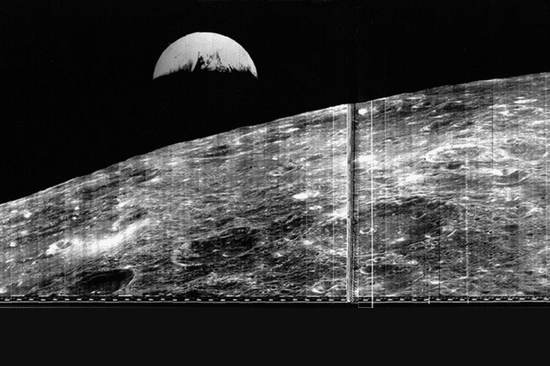
Snapped on August 23, 1966, by the uncrewed Lunar Orbiter 1, the photo’s legacy lives on in the breathtaking images of Earth taken by the Artemis II crew
Snapped on August 23, 1966, by the uncrewed Lunar Orbiter 1, the photo’s legacy lives on in the breathtaking images of Earth taken by the Artemis II crew
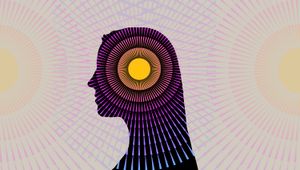
Psychedelics can create a new “hidden order” in brain activity that could explain how these drugs alter our sense of self
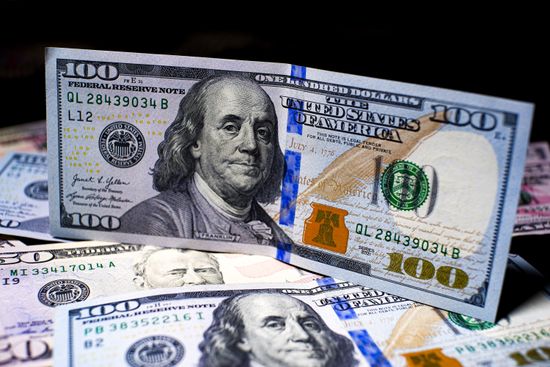
An investigation into the incomprehensibly, unfathomably large amount of money the U.S. owes
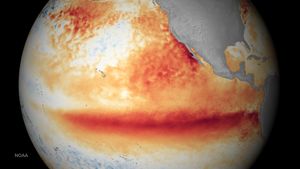
A strengthening El Niño may surpass any seen since the 19th century and will usher in another record hot year or two

Could this secret cellular weapon be the key to longevity?
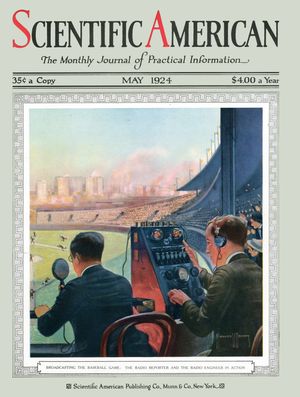
Explore Scientific American’s most fascinating magazine covers
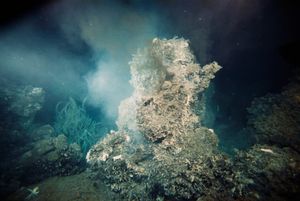
A groundbreaking study hints at a hazy boundary between “life” and “non-life,” as well as two distinct origins of biology on Earth
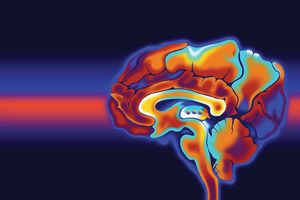
Neuroscience is revealing how our brains are wired for narrative
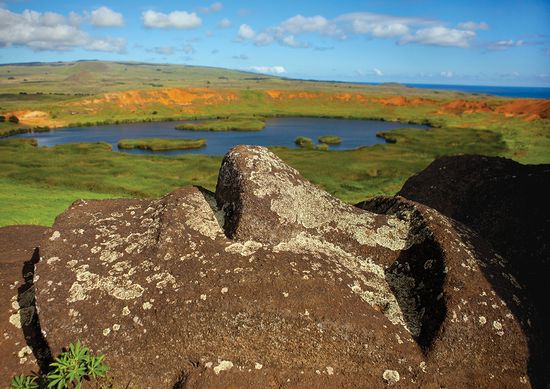
For decades, an influential theory blamed the Rapanui for their own downfall—a story made famous by Jared Diamond’s book Collapse. New evidence tells a different tale
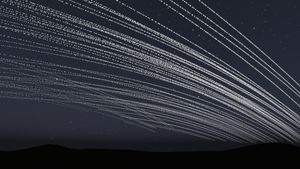
Without drastic interventions, data centers in space could disrupt scientific observations and fragile ecosystems by adding almost innumerable new “stars” to the heavens above
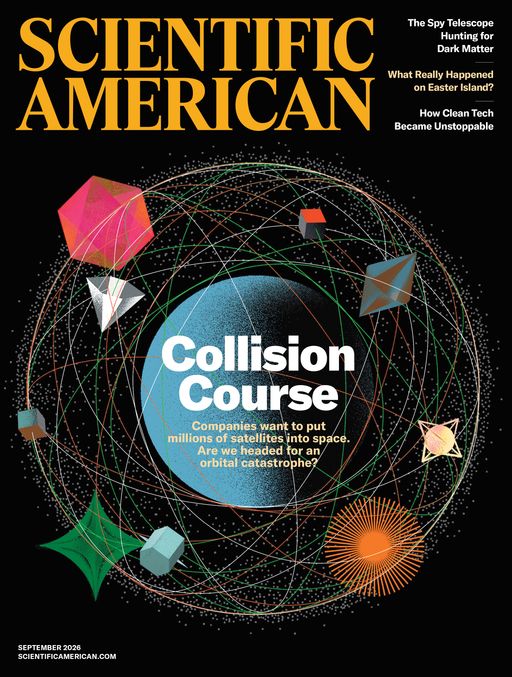
Around 15,000 satellites currently circle Earth, but nearly two million satellites are planned to launch in coming years. This precipitous rise will bring Internet access to many who lack it but could also have dangerous consequences for astronomy, our planet's atmosphere—and the future use of Earth orbit.
Elsewhere in the issue: The Spy Telescope Hunting for Dark Matter | What Really Happened on Easter Island? | How Clean Tech Became Unstoppable
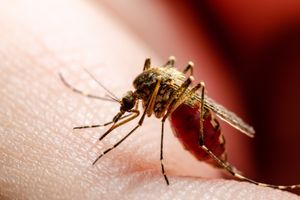
The mosquito-borne illness has sickened hundreds of people this year
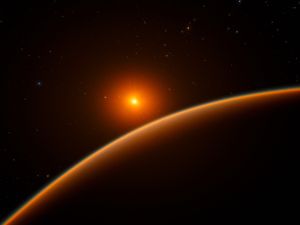
Claiming an exoplanet to be “Earth-like” is a trend that needs to bite the dust
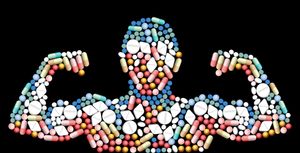
Testosterone is a longtime favorite of the bodybuilding crowd, but now the hormone is being touted for perimenopause, “looks maxxing,” and more
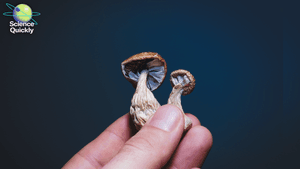
Researchers are exploring whether magic mushrooms could offer a new treatment for anorexia

A new study finds that China’s solar energy boom is hurting bird diversity
Growing crystals “like alchemy,” researchers plotted out the ideal site within the lattice to build a nuclear clock
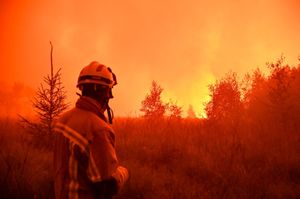
The area of Europe affected by wildfires is due to triple, a new study finds
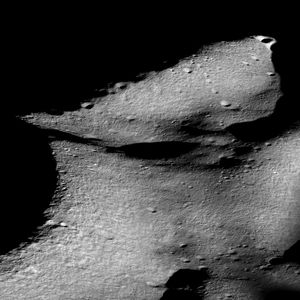
The country’s latest mission, Chang’e 7, will be the first ever to land directly at the moon’s south pole. Whatever it finds there could radically reshape a new space race
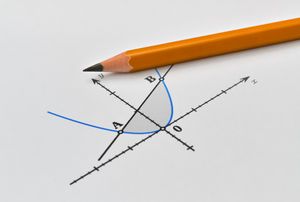
Cryptographers use points along a curve to build tough codes
“The US Government should return fully in its support for scientific research. Since World War II the US Government has supported scientific research through a thorough grant process and must return to its previous partnership with research institutions, both private and public. It is vital for the United States to lead the world in research to advance technology and for…”
— Robert Montemurno DMD
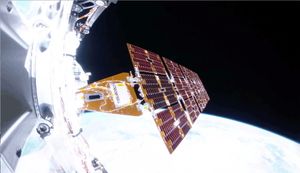
The space agency’s Neil Gehrels Swift Observatory, which studied cataclysmic cosmic explosions, is expected to burn up in Earth’s atmosphere later this year
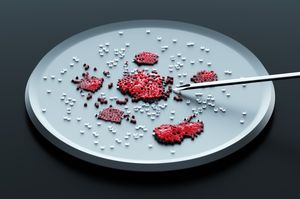
The combined drug works by nudging the body’s own immune system to make proteins that attack and destroy melanoma cells
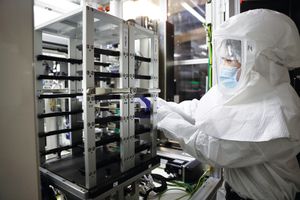
Two American companies are pursuing rival manufacturing strategies for these long-promised cells in an industry China dominates
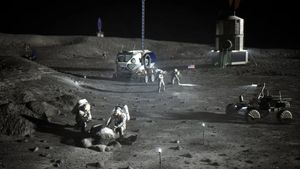
Five common microorganisms found on Earth could survive at the lunar south pole, a new study finds, presenting a contamination risk for future human missions
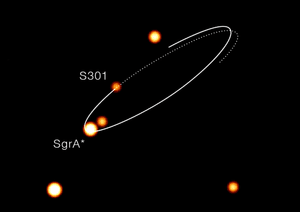
The star S301 swoops so close to our galaxy’s supermassive black hole that it could, for the first time ever, reveal that dark behemoth’s rotation

Here are four reasons solar energy has seen a meteoric rise in recent years
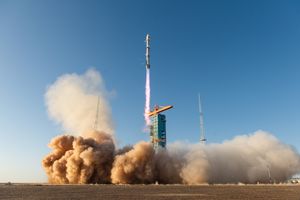
Beijing’s success shows how close China is to the U.S. in the new space race

Overton is a medical doctor with ties to the “Make America Healthy Again” movement

Music and math often come together in ways we don’t expect
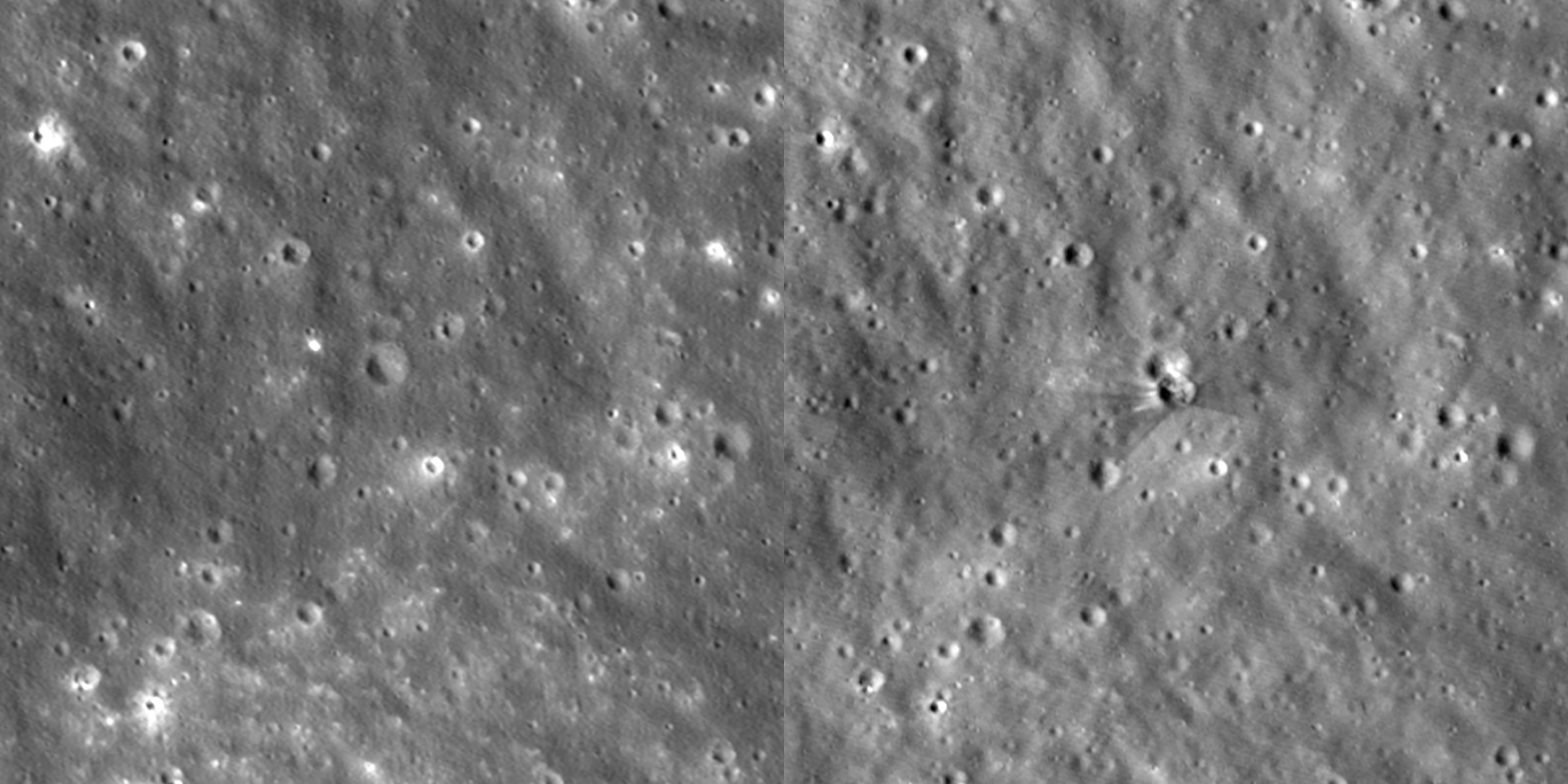
The SpaceX rocket fragment hit the moon at several times the speed of sound on August 5
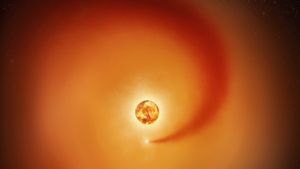
Betelgeuse, the sky’s most famous red supergiant, is well studied but poorly understood
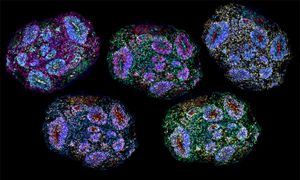
Miniature models of the human brain can be kept alive for years, allowing scientists to study neural development and brain diseases
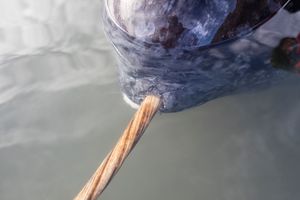
The unicorn of the sea’s spiral tooth has long been a scientific enigma
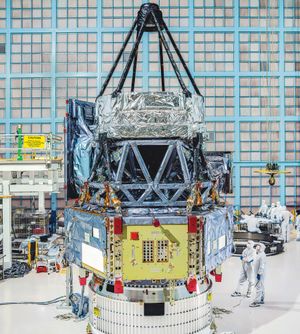
NASA’s Nancy Grace Roman Space Telescope will soon launch to unravel the mysteries of dark energy and dark matter

The conservative think tank’s report claims that high-intensity and elite sports training has lasting effects on menstrual cycles and fertility