
ComputingOctober 7, 2017
Biometric Identifies You in a Heartbeat
Like fingerprints and facial recognition, the shape and beat of your heart can be used to verify your identity. Christopher Intagliata reports.
Biometric Identifies You in a Heartbeat
Like fingerprints and facial recognition, the shape and beat of your heart can be used to verify your identity. Christopher Intagliata reports.

When We Fly to Mars, Microbes Will, Too
The microbes that live in and on our bodies will colonize a human-manned spacecraft to Mars—but will the spacecraft's microbiome be safe? Christopher Intagliata reports.

Tsunami Sent Species on a Transoceanic Trip
The 2011 east Japan tsunami swept huge amounts of wreckage out to sea—and Japanese species hitchhiked across the Pacific on the debris. Christopher Intagliata reports.

This Frog Can't Hear Its Own Calls
The frogs' calls are too high-pitched for the frog to detect, which may be an artifact of evolution. Christopher Intagliata reports.
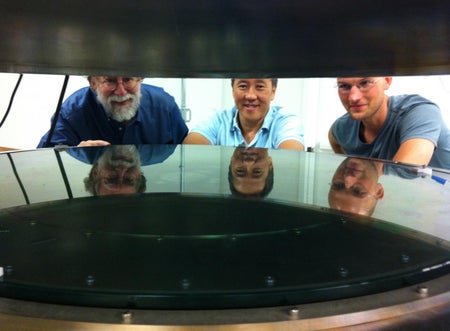
Building a Better Mirror for Telescopes
More reflective telescope mirrors allow astronomers to capture more photons—and do more science. Christopher Intagliata reports.

Warming Puts Squeeze on Ancient Trees
As temperatures rise, the tree line moves upslope. But ancient bristlecone pines are losing that upslope race to faster-colonizing neighbors. Christopher Intagliata reports.

Rising CO2 Pushes Plants to Drink Sparingly
As carbon dioxide levels rise, plants are sipping water more efficiently—which could come in handy in a drier future. Christopher Intagliata reports.

Windows Vex Bats' Echolocating Abilities
Smooth vertical surfaces like windows reflect sound waves away from bats—meaning bats can't "see" windows and similar obstacles with echolocation. Christopher Intagliata reports.
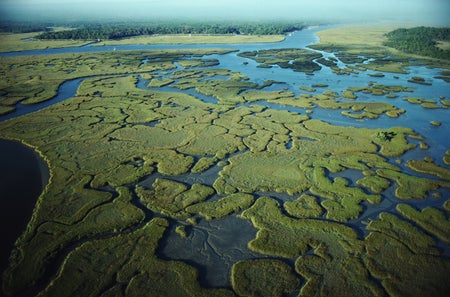
Wetlands Could Save Cities--and Money, Too
Using insurance industry models, researchers determined that wetlands prevented some $625 million in damages due to Hurricane Sandy. Christopher Intagliata reports.

Rabbit Relatives Reel from Climate Change
Pikas, a hampster-size rabbit relative, have disappeared from a 64-square-mile plot in the northern Sierra Nevada—and climate change is a likely culprit. Christopher Intagliata reports.

Winking Star 6 Centuries Ago Explained
A star that appeared and then vanished in A.D. 1437 was an explosion in a binary star system—which now reveals clues about the life cycle of certain stars. Christopher Intagliata reports.

Climate Change Might Shrink Fish
Warmer water boosts fishes' demand for oxygen—and their bodies may shrink in response. Christopher Intagliata reports.

A Fruitful Experiment in Land Conservation
In 1998 an orange juice maker dumped 12,000 tons of orange peels on degraded pastureland in Costa Rica—transforming it into vine-rich jungle. Christopher Intagliata reports.

No Bull: Lizards Flee When They See Red
Western fence lizards are more spooked by red and gray shirts than they are by blue ones—perhaps because the males have blue bellies themselves. Christopher Intagliata reports.

Celebrities Tweet Like Bots
Celebrity Twitter accounts look a lot like Twitter bots: They tweet regularly, follow relatively few people, and upload a lot of content. Christopher Intagliata reports.

Cold Snap Shapes Lizard Survivors
An epic bout of cold weather quickly altered a population of lizards—an example of natural selection in action. Christopher Intagliata reports.
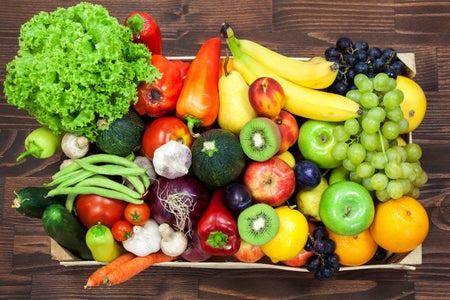
Mediterranean Diet Works--for Upper Crust
Italians who stuck closely to the heart-healthy diet had fewer heart attacks and strokes—but only if they were well-off and/or college educated. Christopher Intagliata reports.

This Caterpillar Whistles While It Irks
The North American walnut sphinx caterpillar produces a whistle that sounds just like a songbird's alarm call--and the whistle seems to startle birds. Christopher Intagliata reports.

Bacteria Can Be Resistant to Brand-New Antibiotics
Exposure to existing antibiotics can imbue infectious bacteria with resistance that also kicks in against new drugs related to the originals. Christopher Intagliata reports.

Teaching Computers to Enjoy the View
Researchers in the U.K. trained computers to rate photos of parks and cities for what humans consider to be their scenic beauty. Christopher Intagliata reports.
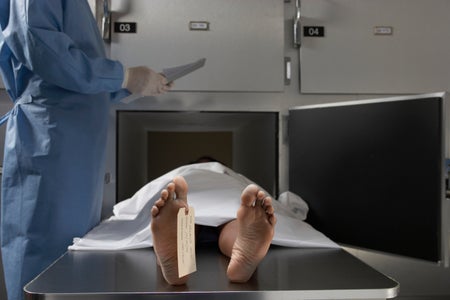
Flying through a Corpse's Clues
Forensic entomologists can chemically analyze fly eggs from a corpse, which might speed up detective work. Christopher Intagliata reports.
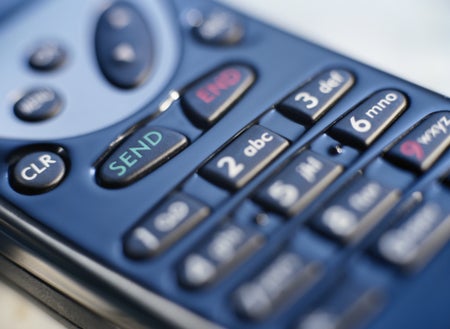
This Cell Phone Needs No Battery
An experimental cell phone works by absorbing and reflecting radio waves—meaning it's incredibly energy efficient and needs no battery. Christopher Intagliata reports.
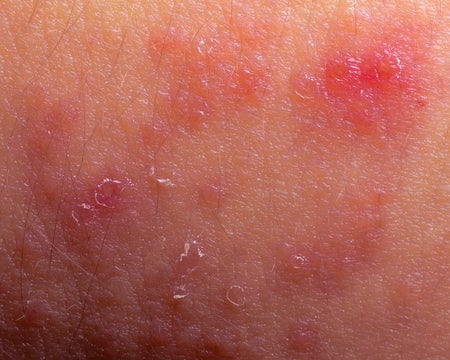
Bacteria Might Share the Blame for Eczema
In patients with severe eczema, Staphylococcus aureus strains dominated the skin microbe population—suggesting that certain types of bacteria could worsen eczema flares. Christopher Intagliata reports.

Heat Will Hit America's Poorest Worst
Economists calculate that each degree Celsius of warming will dock the U.S. economy by 1.2 percent--and increase the divide between rich and poor. Christopher Intagliata reports.