EnvironmentFebruary 11, 2016
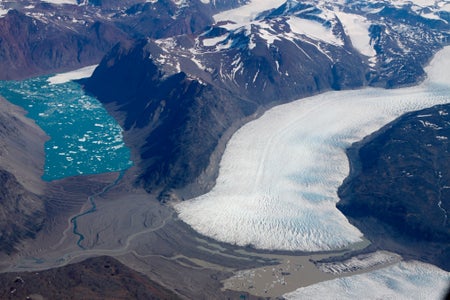
Greenland's Meltwater May Fertilize Fjords with Phosphorus
Greenland's glacial rivers may flush some 400,000 tons of phosphorus into ocean waters—on par with the Mississippi or the Amazon. Christopher Intagliata reports.
Greenland's Meltwater May Fertilize Fjords with Phosphorus
Greenland's glacial rivers may flush some 400,000 tons of phosphorus into ocean waters—on par with the Mississippi or the Amazon. Christopher Intagliata reports.
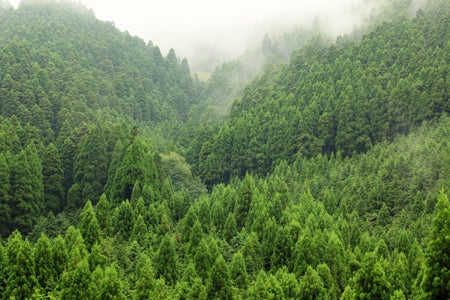
Seed-Scattering Birds May Help Trees Cope with Climate Change
A new review paper emphasizes the crucial role birds play in helping trees colonize new habitats—especially in the face of a changing climate. Christopher Intagliata reports.
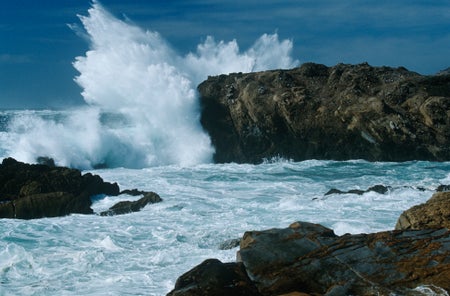
Plastic Pollution Perturbs Oyster Offspring
Laboratory tests suggest that when the shellfish suck in tiny plastic particles, their reproductive success suffers. Christopher Intagliata reports.

Allergies May Have Been Bequeathed by Neandertals
Many non-African humans today have genes—which apparently made it into us via Neandertals—that ramp up resistance to pathogens, but bring on allergies, too. Christopher Intagliata reports.

Asphalt Roads Could De-Ice Themselves
Researchers engineered bitumen—the sticky black stuff in asphalt—to release its own salt, to battle the formation of ice. Christopher Intagliata reports
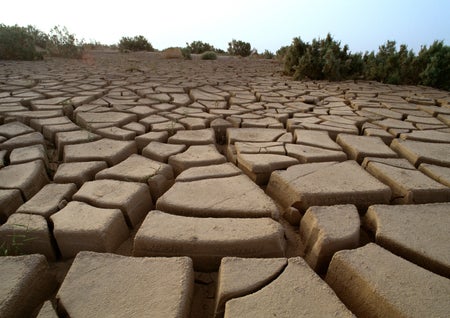
Southwest's Conifers Face Trial by Climate Change
Using climate models and tree physiological data, researchers forecast a near-complete annihilation of evergreens in the southwest by the year 2100. Christopher Intagliata reports

Superfast Computer Chip Transmits Data with Light
Researchers designed a chip that transfers data not with electrons but with photons—resulting in a potential 10-fold boost in speed. Christopher Intagliata reports
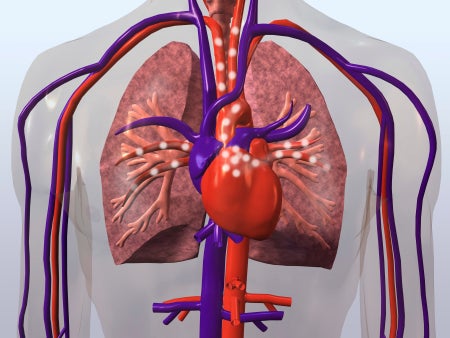
Drugged Gut Microbiome Cuts Heart Risk in Mice
A compound found in extra virgin olive oil and red wine reduced mice’s risk of clogged arteries. Christopher Intagliata reports
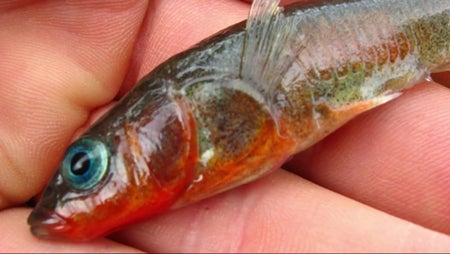
Small Fish Takes Fast-Evolution Track
Stickleback fish in Alaska evolved from living in seawater to freshwater in just 50 years, with the help of freshwater traits in their genome. Christopher Intagliata reports
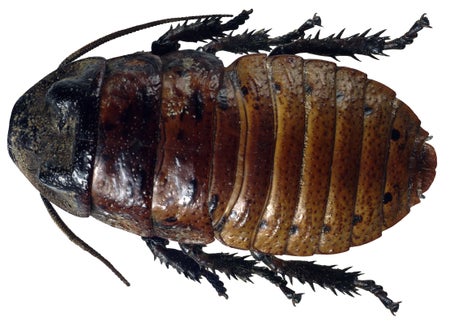
Cockroach Caca Contains Chemical Messages Made by Microbes
Roaches get the signal to gather together from pheromones produced by their gut microbes and released in the insects’ excrement. Christopher Intagliata reports
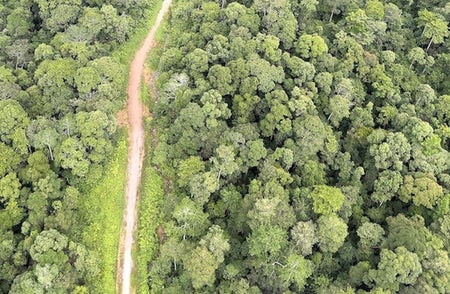
New African Highways Have a High Environmental Price
An analysis determines that many road-building projects in Africa would bring only modest benefits to people, while devastating the environment. Christopher Intagliata reports
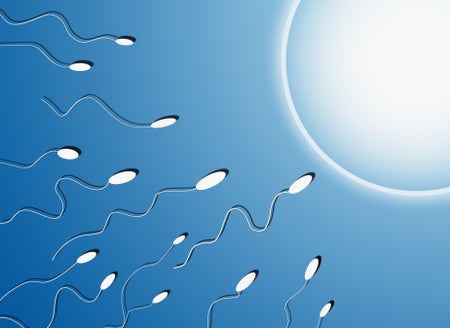
Obese Dad's Sperm May Influence Offspring's Weight
Overweight men’s sperm undergo epigenetic changes that may alter a child’s brain development and appetite control. Christopher Intagliata reports
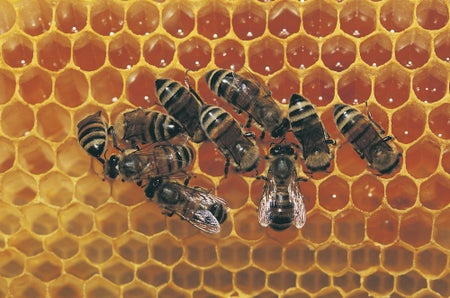
Pollination Isn't Just for the Bees
Flies, beetles, butterflies and moths may account for some 40 percent of the world’s pollination. Christopher Intagliata reports
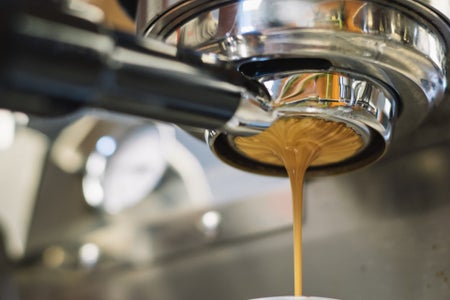
Espresso Machines Brew a Microbiome of Their Own
Researchers sampled 10 espresso machines and found that most of them harbored coffee residues rich in bacteria—including some potentially pathogenic strains. Christopher Intagliata reports
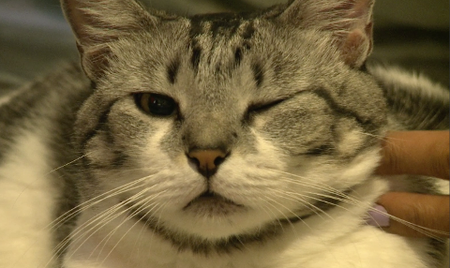
Why We Live in a Cloud of Microbes
Pets and people shed clouds of microbes as unique and personal as their fingerprints, but the clouds can change over time.

Gut Bacteria Signal Your Brain When They're Full
Twenty minutes into a meal, E. coli pump out appetite-suppressing proteins, which could influence our feeling of hunger. Christopher Intagliata reports
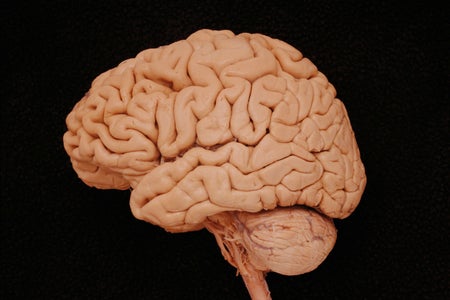
Your Brain Can Taste without Your Tongue
Stimulating the "taste cortex" was enough to trick mice into thinking they'd tasted sweet or bitter substances, when in fact their tongues tasted nothing at all. Christopher Intagliata reports
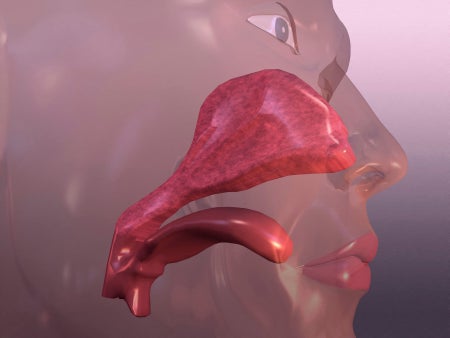
Eat Slowly and Breathe Smoothly to Enhance Taste
Slow, steady breathing lofts minute food particles into the nasal cavity, where they contribute to your perception of flavor. Christopher Intagliata reports

What Makes Sand Dunes Sing
Engineers at Caltech discovered that for sand dunes to produce sound they need a dry layer on top that amplifies internal frequencies during sand movement. Christopher Intagliata reports
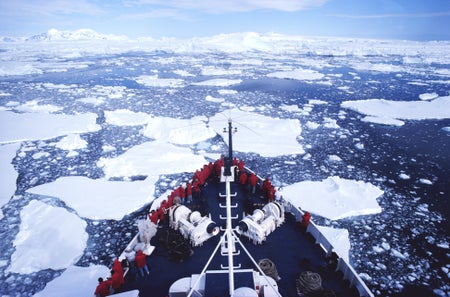
Arctic Marine Mammals Swim Up to the Microphone
As Arctic sea ice melts, an underwater recording project reveals that the submerged ecology is undergoing change, with humpbacks and killer whales staying north later in the year. Christopher Intagliata reports

Decoy Mating Call Battles Citrus Pest
Researchers developed a call that effectively mimics the citrus psyllid's mating song, which could be a weapon against a devastating crop scourge. Christopher Intagliata reports
Whale Poop Drives Global Nutrient Cycling
Whales fertilize ocean surface waters with key nutrients like phosphorus, which move through the food chain, and eventually, onto land. Christopher Intagliata reports
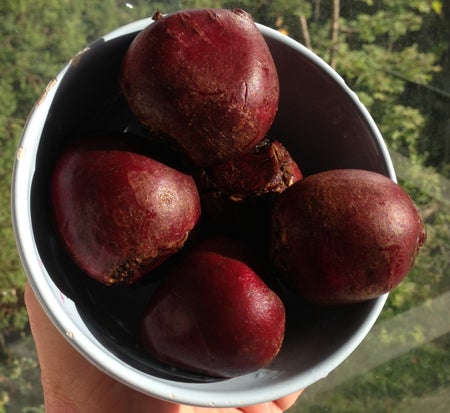
Beet Juice Could Help Body Beat Altitude
Beet juice contains nitrates, which the body can convert to nitric oxide, a chemical that relaxes blood vessels and makes it easier to function in conditions of low oxygen. Christopher Intagliata reports
Babies Move Tongue to Learn New Tongues
Infants seemed to be able to differentiate between two different "D" sounds in Hindi—but only when their tongue movements weren't blocked by a teething device. Christopher Intagliata reports